STEAM, AI & Curriculum
A framework for interdisciplinary education at the frontier of
technologyand human systems.
PHILOSOPHY
The Educational Philosophy
The work begins with a conviction that education must be designed forthe world as it is not as it was when the curriculum was first written.STEAM integration, artificial intelligence, and robotics are not add-onsto existing subjects. They are the connective tissue of a modernknowledge system.
Integration over Isolation
Disciplines taught in isolation produce incomplete practitioners.
A STEAM program is not a STEM program with art added. It is a systemwhere every discipline reinforces and enriches the others.
Context over Content
What something is taught for matters more than what is taught.
Facts without application are inert. Every lesson is anchored to a realworld challenge that makes the content meaningful.
Scale by Design
Programs built for individual classrooms fail institutions.
Sustainable educational change requires systems thinking. Every program I design is built to be replicable at institutional scale.
FRAMEWORK
The STEAM Framework
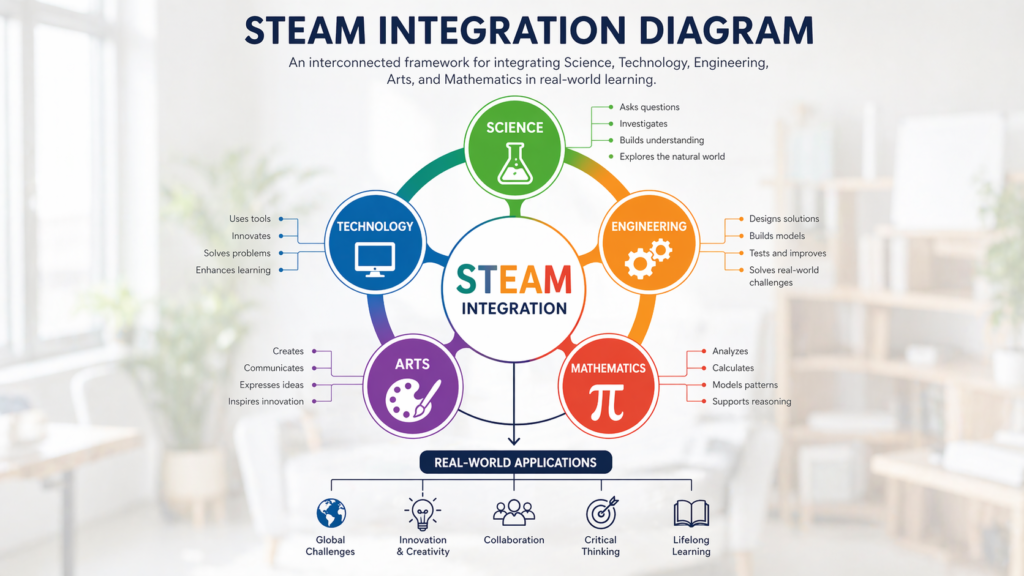
Science
Foundational inquiry and empirical methods the habit of questioning, observing, and deriving meaning from evidence
Technology
Digital systems and applied tools understanding how technology works and
how it can be purposefully deployed.
Engineering
Design thinking and systems building the iterative process of defining problems and constructing solutions.
Arts
Communication,
aesthetics, and crossdisciplinary synthesis the dimension that ensures solutions are human centered.
Mathematics
Quantitative reasoning and modeling the
language that makes scientific and engineering thinking precise.
AI & SOFT COMPUTING
Artificial Intelligence & Soft Computing
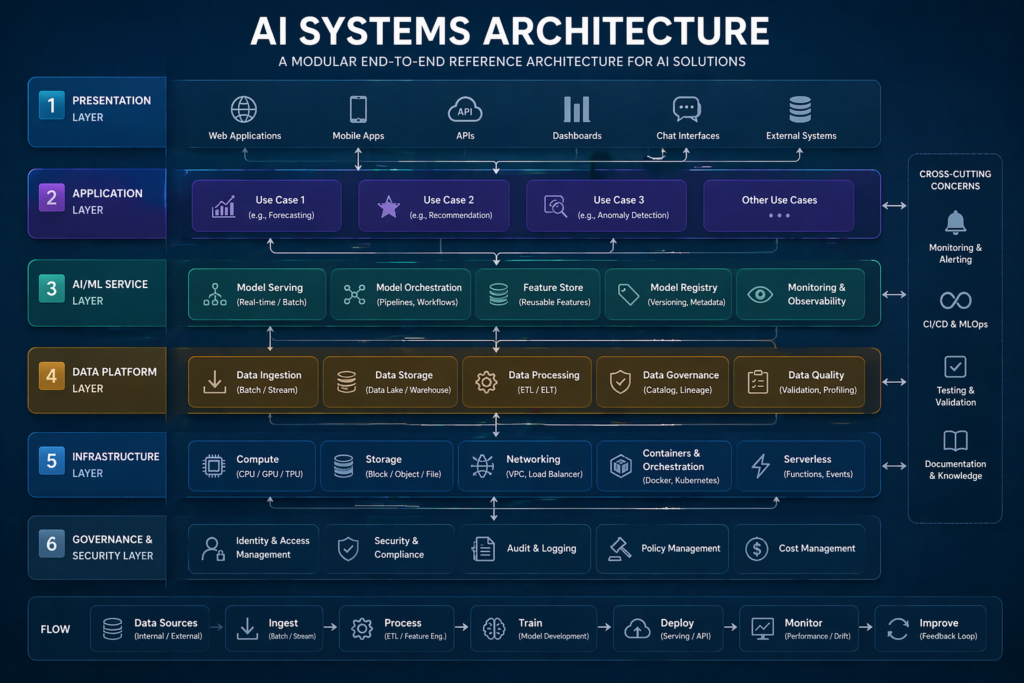
The integration of AI into education is not about replacing teachers it is about giving learners the tools to understand the systems that are reshaping every professional domain.
AREAS COVERED
- Machine Learning fundamentals and applications
- Fuzzy Logic and approximate reasoning
- Neural Networks and pattern recognition
- Evolutionary algorithms and optimization
- Applied AI in classroom and lab contexts
ROBOTICS & IOT
Robotics & Internet of Things
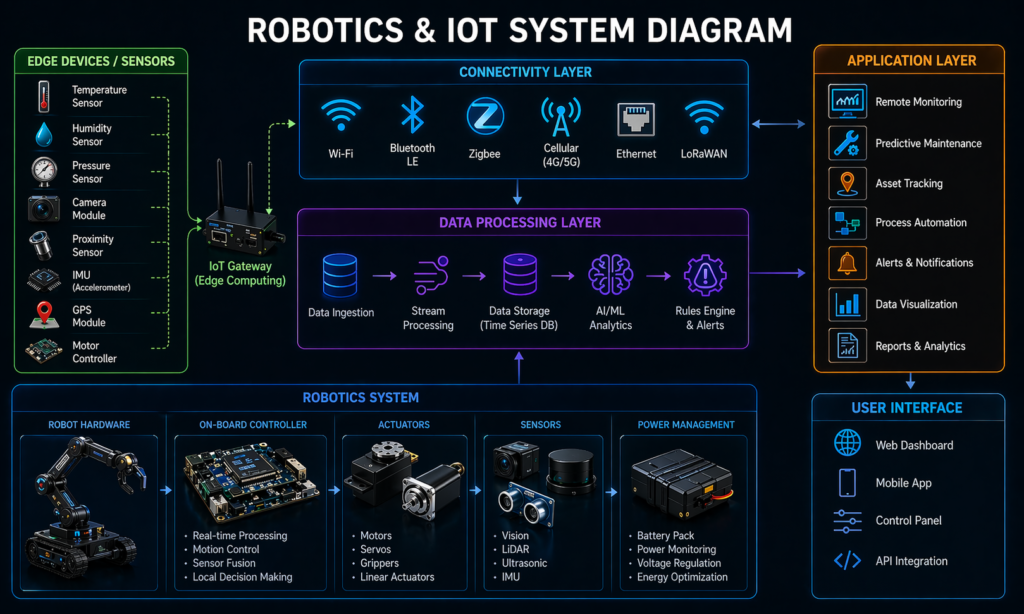
Physical computing and connected systems are not electives they are the bridge between theoretical knowledge and practical systems. Robotics and IoT programs I have designed range from introductory school-level projects to research-grade implementations
AREAS COVERED
- Embedded systems and microcontroller programming
- Sensor networks and real-time data
- Autonomous systems design
- Industrial IoT integration
- Student-led project-based learning
CURRICULUM DESIGN APPROACH
Curriculum DesignApproach
"Curriculum is a system, not a document."
1
Needs Analysis
Every program begins with an honest assessment of institutional capacity, learner profile, and expected outcomes.
2
Framework Selection
Choosing the right blend of STEAM, projectbased, or competency-based approaches for the specific context.
3
Scale & Replication
Designing for the teacher who will implement it, not just the learner who receives it.
RELATED AREAS
- Roles & Work
Explore key roles, projects, and professional contributions.
- Consulting
Learn how strategic consulting supports growth and transformation.
Start a Serious Inquiry
Consulting engagements are selective and scoped carefully. Reach out with context about your organization and the challenge you are working through.